

Cat Losing Weight? When It Is Safe Vs. When It Should Be A Concern
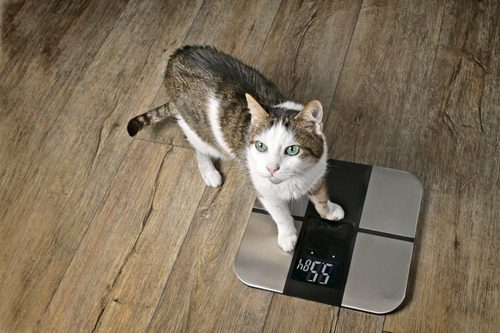
Noticing your cat getting thinner can raise plenty of questions, especially if their appetite and energy haven’t changed. Weight loss in cats isn’t always a bad thing, but it can sometimes be a warning sign that something deeper is going on. Whether it’s the result of a positive lifestyle change or an indicator of an underlying issue, knowing what to watch for is key. In this blog, we’ll explore the different reasons a cat may be losing weight, what’s considered normal, and when it’s time to schedule a visit with your veterinarian. If you’re in Santa Clarita, call Stevenson Ranch Veterinary Center at (661) 799-0655 or book an appointment online if you notice unexplained changes in your cat’s body condition.
Is It Normal for a Cat to Lose Weight?
Not all weight loss in cats is a reason to worry. In certain circumstances, it can happen naturally and safely. However, weight loss should always be monitored closely, especially if it’s unintentional or happens rapidly. Cats are good at hiding illness, so even minor physical changes can be an early sign of something developing under the surface.
Situations Where Weight Loss May Be Normal
A cat may lose weight safely under specific conditions:
- Transitioning to a healthier diet: If your cat was overweight and your veterinarian recommended a weight management plan, slow and steady weight loss is expected.
- Increased activity: A previously sedentary cat may shed pounds if they’ve become more active. This can happen if a new cat enters the home or if you’ve added more enrichment and playtime.
- Kitten to adult shift: As young cats grow and settle into adulthood, their body composition may naturally shift.
When weight loss is gradual and accompanied by a controlled diet and exercise plan, it can be a positive change. The concern arises when weight loss is unexpected, persistent, or accompanied by other unusual behaviors.
When to Be Concerned About a Cat Losing Weight
Unexplained weight loss in cats is often one of the earliest signs of an underlying medical problem. If your cat hasn’t had any recent lifestyle changes and they’re eating normally (or even more than usual), it’s time to take a closer look.
Red Flags That Warrant a Veterinary Visit
The following signs in combination with weight loss may indicate an underlying condition:
- Vomiting or diarrhea
- Lethargy or sleeping more than usual
- Hiding or changes in social behavior
- Poor coat condition or excessive grooming
- Changes in appetite or thirst
- Difficulty jumping or mobility issues
Weight loss paired with these symptoms could be related to a range of issues, including metabolic conditions, gastrointestinal disorders, or infections. If you notice any of these changes, call Stevenson Ranch Veterinary Center at (661) 799-0655 for a thorough evaluation.
What Causes Unintended Weight Loss in Cats?
When a cat is losing weight and it isn’t intentional, the cause can range from mild to serious. Here are some of the most common medical and behavioral reasons.
Hyperthyroidism
One of the most common reasons for weight loss in middle-aged and older cats is hyperthyroidism. This condition speeds up a cat’s metabolism, causing them to burn calories too quickly. Cats with hyperthyroidism may also show signs like a ravenous appetite, vomiting, and increased thirst.
Diabetes Mellitus
Diabetic cats may lose weight despite eating more. The condition prevents their body from properly using glucose for energy. Increased thirst, frequent urination, and lethargy are also common symptoms. Diabetes is manageable with early diagnosis and proper treatment.
Kidney Disease
Chronic kidney disease is another common issue in aging cats. As the kidneys lose function, the cat may experience nausea, reduced appetite, dehydration, and weight loss. This condition requires close management and regular checkups to maintain quality of life.
Intestinal Parasites
Worms and other parasites can cause gradual weight loss, especially in outdoor cats or those with exposure to contaminated environments. Cats may still have a healthy appetite but absorb fewer nutrients due to the parasite burden.
Dental Disease
If eating becomes painful due to tooth or gum problems, a cat may stop eating enough to maintain a healthy weight. Dental issues are more common in older cats, but can affect cats of any age. Drooling, bad breath, and food dropping are potential indicators.
Stress and Anxiety
Emotional or environmental stress can impact a cat’s eating habits. Moving, new pets or people, or disruptions to their daily routine can lead to decreased appetite and weight loss. Cats are sensitive creatures and often respond to change with subtle behavioral shifts.
How Veterinarians Assess Weight Loss in Cats
Your veterinarian will take a methodical approach to figure out why your cat is losing weight. This process typically includes a physical exam, a weight history, and diagnostic testing to uncover any hidden health problems.
What to Expect During the Exam
Your veterinarian may:
- Assess your cat’s body condition score (BCS)
- Perform bloodwork to evaluate organ function and thyroid levels
- Recommend a fecal exam for parasites
- Take X-rays or perform an ultrasound if internal issues are suspected
- Ask about behavioral changes, diet, and activity level
This thorough workup helps determine whether the weight loss is part of a larger concern and guides the appropriate next steps for care.
What a Healthy Cat Weight Should Look Like
Knowing what a healthy weight looks like can help you track changes in your cat’s condition. Cats come in many shapes and sizes, but sudden changes should always be evaluated.
Using Body Condition Scoring (BCS)
Body condition scoring is a hands-on evaluation of fat and muscle coverage, typically on a scale from 1 (underweight) to 9 (overweight), with 5 being ideal. Here’s what a healthy BCS generally includes:
- Ribs are easily felt but not seen
- Waist is visible from above
- Belly has a slight upward tuck from the side
You can ask your veterinarian to show you how to assess your cat’s BCS at home between visits. Routine weigh-ins are helpful for tracking trends, especially in senior cats or those with medical conditions.
When in Doubt, Schedule a Visit to Stevenson Ranch
If you’re unsure whether your cat’s weight loss is normal or not, the safest option is to have them checked by a veterinarian. The earlier a concern is addressed, the better the chances of a positive outcome. Even if everything checks out fine, you’ll have peace of mind and you’ll gain insights into your cat’s overall health and wellness. At Stevenson Ranch Veterinary Center in Santa Clarita, we take your cat’s health seriously. Call us at (661) 799-0655 or book an appointment online to schedule a thorough exam if you’ve noticed your cat losing weight.
Check Your Pet's Records
Look no further, PetDesk allows you to view your Pet's Health information, appointment reminders, etc.
Let's Go Shopping
Need a refill on vitamins, food, etc for your pet? Check our our online store.
Book an Appointment
Looking for Veterinary Care? Stevenson Ranch is a place that you can your pet can depend on for exceptional care.