

Cat Cold? Signs, Symptoms, And Treatment
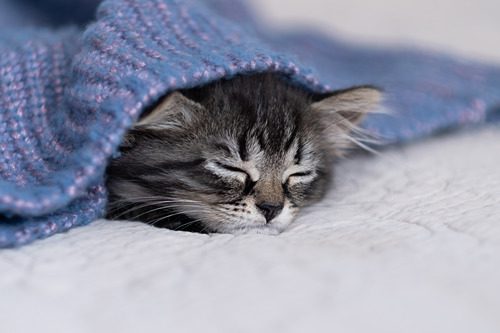
It’s easy to notice when your cat isn’t quite acting like themselves. Maybe they’re less playful, curled up more often, or sneezing more than usual. Just like humans, cats can catch colds and while they often recover with time and care, a cat cold can sometimes be more serious than it seems. Recognizing the signs early and knowing what to do next can make all the difference in helping your cat feel better, faster. Below, we’ll break down what a cat cold looks like, how symptoms progress, and when it’s time to reach out to Stevenson Ranch Veterinary Center for support.
What Is a Cat Cold?
A cat cold is a common term used to describe upper respiratory infections (URIs) in cats. These infections can be caused by various viruses and bacteria, most often feline herpesvirus (FHV-1) and feline calicivirus. While they are typically not life-threatening for healthy adult cats, cat colds can become more complicated for kittens, senior cats, or those with underlying health conditions. Unlike people, cats don’t transmit these colds to humans, but they can easily spread the illness to other cats, especially in multi-cat households or boarding facilities.
Cat colds generally affect the nose, throat, and sinuses. Sneezing, nasal discharge, and eye drainage are common signs. Most cats begin to feel better within 7 to 10 days, but some may need veterinary support if symptoms persist or worsen. Understanding the early indicators helps you act promptly and avoid complications.
Recognizing the Signs of a Cat Cold
When a cat develops a cold, the symptoms usually start mildly and gradually worsen over the first few days. Knowing what to look for will help you monitor your cat closely and determine when it’s time to contact your veterinarian.
Sneezing and Nasal Discharge
Sneezing is one of the most noticeable signs of a cat cold. It often appears in short bursts and may become more frequent over time. Along with sneezing, nasal discharge may range from clear to cloudy or even yellow or green if a secondary bacterial infection sets in.
Watery or Discharge-Filled Eyes
Cats with colds often have watery eyes or thick eye discharge. The eyes might look red or irritated. In some cases, cats develop conjunctivitis, which causes the eyelids to swell and become more sensitive to light.
Coughing or Wheezing
Although less common, some cats may cough or wheeze due to postnasal drip or throat irritation. If your cat shows signs of labored breathing or open-mouth breathing, this may indicate a more serious issue that requires immediate veterinary care.
Loss of Appetite and Dehydration
A cat cold can dull your cat’s sense of smell, which often leads to a decreased interest in food. If they stop eating altogether or seem reluctant to drink water, this can lead to dehydration. This is especially risky in kittens and older cats.
Fatigue and Hiding
Sick cats usually rest more and may choose to isolate themselves. You might notice your cat hiding under furniture or avoiding interaction. While some withdrawal is normal during illness, extreme lethargy or unresponsiveness warrants a vet visit.
How Cat Colds Spread
Upper respiratory infections are highly contagious between cats. They’re most commonly spread through direct contact such as grooming or playing, but they can also spread through shared food and water bowls, bedding, and litter boxes.
Risk Factors for Infection
Cats in shelters, catteries, or boarding facilities are at higher risk due to close quarters and increased stress. Stress can weaken the immune system and make cats more susceptible to infection. Cats with no prior vaccinations or those with underlying conditions are also more vulnerable.
Carrier Cats and Recurrent Infections
Some cats become lifelong carriers of viruses like FHV-1. Even if they recover, stress or illness can trigger future flare-ups. These cats may not always show symptoms but can still spread the virus to others.
Diagnosing a Cat Cold
If your cat shows signs of a cold, a veterinary exam helps determine whether the symptoms are due to a viral or bacterial cause or another health issue altogether.
What to Expect During the Visit
At Stevenson Ranch Veterinary Center, your veterinarian will conduct a thorough physical exam and may recommend diagnostic tests such as bloodwork, X-rays, or swabs from the eyes or nose. These help rule out more serious conditions like pneumonia or feline leukemia virus (FeLV).
Red Flags to Signal It’s Time to Call the Vet
If your cat’s symptoms last longer than 10 days, worsen over time, or include difficulty breathing, loss of appetite, or severe lethargy, call (661) 799-0655 to schedule an appointment. Prompt evaluation can prevent complications and get your cat on the path to recovery.
Supportive Veterinary Care for Cat Colds
While viral infections generally run their course, your veterinarian can offer treatments that ease symptoms and prevent secondary infections.
Medications and Fluids
In some cases, antibiotics may be prescribed if a secondary bacterial infection is suspected. For cats who are dehydrated or not eating, subcutaneous fluids or appetite stimulants may be given to support their recovery.
Monitoring at Home
Keep your cat in a warm, quiet space and encourage rest. Use a humidifier to keep the air moist, which can help relieve nasal congestion. Gently wiping away discharge from the eyes and nose with a soft, damp cloth can also provide comfort.
Isolation From Other Cats
If you have more than one cat, keep the sick one separated until symptoms resolve. Wash your hands after handling them and disinfect shared surfaces to reduce the risk of transmission.
How to Help Prevent Cat Colds
Taking proactive steps can lower your cat’s chances of developing a cold or spreading it to others.
- Stay Current on Vaccinations: Vaccines for feline herpesvirus and calicivirus are part of the core vaccine schedule. While they don’t prevent infection completely, they help reduce the severity of illness and frequency of flare-ups.
- Reduce Stress: Minimize sudden changes in your cat’s environment and provide plenty of enrichment to help support their immune system. A calm, stable home plays a key role in their overall health.
- Keep Shared Items Clean: Regularly clean food and water dishes, bedding, toys, and litter boxes. This is especially important if your cat has recently been exposed to other cats or has shown any signs of illness.
When a Cat Cold Needs Professional Attention
Although many cat colds are mild, symptoms that linger or worsen could indicate something more serious. Respiratory infections can escalate, especially in kittens, older cats, and those with compromised immune systems. If your cat seems unwell or stops eating, don’t wait to see if they improve on their own. Reach out to Stevenson Ranch Veterinary Center in Santa Clarita for guidance and care. You can call us at (661) 799-0655 or book an appointment online. We’re here to support you and your cat every step of the way.
Check Your Pet's Records
Look no further, PetDesk allows you to view your Pet's Health information, appointment reminders, etc.
Let's Go Shopping
Need a refill on vitamins, food, etc for your pet? Check our our online store.
Book an Appointment
Looking for Veterinary Care? Stevenson Ranch is a place that you can your pet can depend on for exceptional care.