

Cat Stretching: The Health Benefits and Body Language
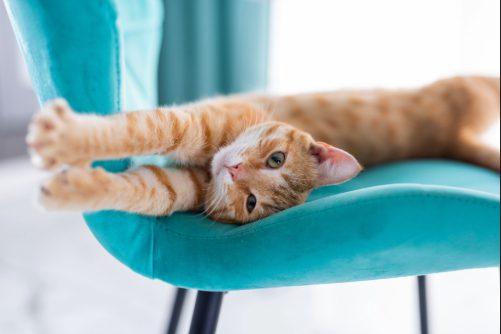
Cat stretching is one of those everyday moments that feels ordinary until you stop and really watch it happen. A slow extension after a nap, a long reach of the front legs, or a dramatic arch through the back can look almost theatrical. These movements are not random. Cat stretching supports physical comfort, reflects emotional cues, and offers insight into how your cat’s body is feeling on any given day. By paying attention to these patterns, pet owners gain a clearer picture of feline movement, communication, and overall wellness.
Stretching is part of how cats transition between rest and activity, reset their muscles, and communicate with the world around them. Whether it happens after sleep, before a burst of play, or during a relaxed moment in the sun, cat stretching connects posture, movement, and behavior in a way that is uniquely feline.
Why Your Cat’s Stretches Are So Important
Cat stretching serves a practical purpose that goes far beyond a simple wake-up routine. Cats spend a large portion of their day resting, and long periods of stillness naturally tighten muscles and joints. Stretching helps reverse that stiffness by lengthening muscle fibers and increasing blood flow throughout the body. This process prepares the body for movement, balance, and coordination.
Stretching also supports joint comfort as cats age. While kittens may stretch with exaggerated enthusiasm, adult and senior cats rely on these movements to maintain flexibility. Over time, consistent stretching helps preserve range of motion and reduces the feeling of tightness that can follow inactivity. For indoor cats especially, stretching becomes an important way to keep the body engaged even in a limited environment.
From a behavioral standpoint, cat stretching often reflects contentment. A relaxed stretch in an open space suggests your cat feels secure in their surroundings. When paired with a slow blink or gentle tail movement, stretching can signal trust and ease. These moments provide a quiet but meaningful window into your cat’s physical and emotional state.
The Role of Stretching in Feline Mobility
Mobility in cats depends on strong muscles, flexible joints, and a responsive spine. Cat stretching plays a steady role in maintaining all three. Each stretch targets specific muscle groups, from the shoulders and hips to the back and neck. When these areas stay flexible, everyday actions like jumping, climbing, and turning feel smoother and more controlled.
Stretching also supports balance and coordination. Cats rely on precise movement to navigate their environment, whether that means hopping onto furniture or landing gracefully from a height. Regular stretching keeps muscles responsive and ready to support those movements. This is especially helpful for older cats who may experience subtle changes in how they move.
Another benefit of cat stretching is circulation. As muscles lengthen and contract, blood flow increases, delivering oxygen and nutrients throughout the body. This circulation supports tissue health and helps muscles recover after activity. Over time, consistent stretching contributes to steady, confident movement that allows cats to stay active and engaged.
Decoding Your Cat’s Body Language During a Stretch
Cat stretching is also a form of communication. The way a cat stretches, where it happens, and what follows can all provide clues about how they feel.
Common Stretching Positions and What They Mean
A long front-leg stretch with the chest low to the ground often signals relaxation. This position shows comfort and readiness to move without urgency. A full-body stretch that arches the back and extends the tail usually appears after sleep and helps realign the spine.
Side stretches, where a cat lengthens one side of the body while lying down, suggest ease and contentment. These movements often occur in familiar spaces where the cat feels safe. In contrast, quick or incomplete stretches may indicate hesitation or discomfort, especially if they happen repeatedly.
Tail position matters as well. A loosely extended or gently swaying tail during cat stretching suggests calm awareness. A tightly tucked or flicking tail may signal overstimulation or tension. Observing these details over time helps pet owners recognize what is normal for their individual cat.
When Stretching Can Be a Sign of an Issue
While cat stretching is usually healthy and routine, changes in stretching behavior deserve attention. A cat who stretches more frequently than usual, appears stiff, or avoids certain movements may be responding to discomfort. Stretching that looks strained or incomplete can indicate that something does not feel quite right.
Cats may also stretch in unusual ways if they are compensating for soreness in another part of the body. For example, favoring one side during a stretch or hesitating before extending a limb can signal an underlying concern. Behavioral changes often appear alongside these shifts, such as reduced activity, hiding, or reluctance to jump.
It is also worth noting when stretching seems to replace normal movement. If a cat stretches repeatedly but avoids play or climbing, that pattern may point to mobility challenges. Observing these trends and discussing them with your veterinarian helps ensure concerns are addressed early and thoughtfully.
How to Encourage Healthy Stretching
Healthy cat stretching happens naturally, but the environment plays a role in how often and how comfortably it occurs. Creating spaces that invite movement encourages cats to stretch on their own terms.
Cats benefit from areas where they can fully extend their bodies. Open floor space, sturdy scratching posts, and vertical surfaces allow for natural stretching behaviors. Stretching often pairs with scratching, which helps lengthen muscles through the shoulders and back.
You may notice that cats stretch more frequently in warm, quiet areas. Sunlit rooms or cozy resting spots support relaxed movement. Stress-free environments allow cats to stretch without feeling rushed or alert.
Here are a few ways the home environment can support natural stretching habits:
- Stable surfaces that allow full extension without slipping
- Vertical spaces that encourage reaching and climbing
- Calm areas where your cat can stretch undisturbed
The Connection Between Stretching and a Healthy Spine
The feline spine is remarkably flexible, and cat stretching plays a central role in keeping it that way. Each stretch gently lengthens the vertebrae and surrounding muscles, supporting alignment and mobility. This flexibility allows cats to twist, turn, and jump with precision.
Spinal stretches also support posture. When cats stretch regularly, the muscles along the back stay balanced and responsive. This balance helps distribute weight evenly and supports smooth movement. Over time, consistent stretching contributes to long-term spinal comfort.
You may notice your cat performing a slow arch through the back, sometimes followed by a shake or repositioning of the feet. These movements help reset posture after rest and prepare the body for activity. Observing how easily your cat moves through these stretches offers insight into their comfort and mobility.
Stretching It All Together: What Your Cat Is Telling You
Cat stretching weaves together movement, communication, and comfort in a way that is easy to overlook but rich with meaning. Each stretch reflects how your cat’s body feels and how they experience their environment. By watching these moments more closely, pet owners gain insight into mobility, emotional state, and daily comfort.
If you have questions about your cat’s stretching habits or notice ongoing changes, reaching out to a veterinary professional provides clarity and guidance. The team at Stevenson Ranch Veterinary Center welcomes conversations about everyday behaviors and what they may indicate. You can call (661) 799-0655 or request an appointment online to discuss your observations.
Check Your Pet's Records
Look no further, PetDesk allows you to view your Pet's Health information, appointment reminders, etc.
Let's Go Shopping
Need a refill on vitamins, food, etc for your pet? Check our our online store.
Book an Appointment
Looking for Veterinary Care? Stevenson Ranch is a place that you can your pet can depend on for exceptional care.