

My Cat Is Limping But Still Jumping And Running
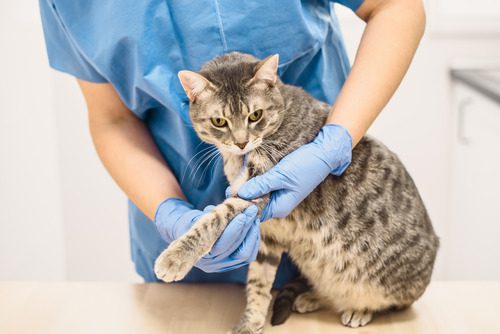
It’s strange when you see your cat limping across the room, only to watch them immediately leap onto the windowsill or chase after a toy with no hesitation. If you’ve been asking yourself, “Why is my cat limping but still jumping and running?”, this confusing mix of behaviors can make it hard to know whether something is wrong or if your cat is simply being dramatic. In reality, cats are known for masking pain, and what looks like a minor issue might be more serious than it seems. This blog explores the potential reasons behind this type of limping, what to watch for, and when it’s time to schedule a visit with your veterinarian.
When You Notice a Limp But Activity Levels Seem Normal
It’s natural to feel puzzled when your cat is limping but otherwise acting normal. They may still greet you at the door, jump on counters, and race down the hallway with their usual energy. This doesn’t mean the limp isn’t worth your attention. It just means your cat is good at compensating for discomfort.
Cats instinctively hide pain, especially orthopedic or musculoskeletal problems. What appears to be a mild or temporary limp might indicate an underlying injury or condition. Even if the behavior seems inconsistent, limping can signal joint stress, a soft tissue strain, or something more complex.
Common Causes for Limping in an Active Cat
If you’ve been thinking, “My cat is limping but still jumping and running. How is that possible?” There are several possible explanations. While some causes may resolve on their own, others could require medical attention.
Soft Tissue Injuries
A mild sprain or strain is one of the most common reasons a cat might limp intermittently. These injuries can occur from a misstep during a leap or while playing too roughly. Soft tissue injuries can cause pain that comes and goes, depending on the activity level.
Foreign Objects or Minor Wounds
Check your cat’s paw pads and toes for debris like splinters, small cuts, or stuck litter. A foreign object may cause irritation and result in limping, especially after rest periods. Even minor abrasions can be uncomfortable but may not prevent a cat from jumping.
Overexertion or Temporary Discomfort
If your cat recently had an intense play session or explored an unfamiliar environment, they could be experiencing muscle fatigue or a minor knock to a limb. This kind of limping often fades after rest but should still be monitored.
When Limping Becomes a Pattern
Intermittent limping in an otherwise active cat may not seem urgent, but if it continues for more than a day or two, it’s worth a closer look. Consistent patterns like limping after naps, favoring one leg, or changes in movement can suggest more than a temporary issue.
Signs That Warrant a Veterinary Visit
Even if your cat seems comfortable most of the time, reach out to your veterinarian if you notice:
- The limp lasting more than 24–48 hours
- Swelling or heat in the leg or paw
- Sensitivity to touch
- Vocalizing or hiding behavior
- Changes in appetite or grooming habits
Cats are experts at hiding pain. Subtle signs may be the only clue that your cat is dealing with an orthopedic or internal issue.
Medical Conditions That May Cause Limping Without Full Mobility Loss
If you’re thinking, “My cat is limping but still jumping and running. Should I be concerned about a medical condition?” you’re asking the right question. Underlying health issues can cause a mild or inconsistent limp.
Arthritis in Younger and Older Cats
While arthritis is often associated with older pets, younger cats can also experience joint inflammation, especially after injury or with certain genetic predispositions. Cats with early arthritis may continue to jump but show stiffness or limping after rest.
Luxating Patella
A luxating patella, which is when the kneecap moves out of place, can cause momentary limping. This condition is often seen in the back legs and can cause the leg to “skip” or move abnormally before your cat resumes regular activity.
Hip Dysplasia
Although more common in dogs, hip dysplasia can affect cats, particularly certain breeds. It may present as occasional limping or reduced tolerance for activity. Cats with this condition often compensate well and remain mobile but may limp intermittently.
Neurological Issues
In some cases, a limp might not come from joint pain at all but from nerve issues. Conditions affecting spinal nerves or muscle coordination can result in strange gait patterns that don’t match your cat’s energy level.
What Your Vet Might Check During a Physical Exam
A veterinary visit is the most direct way to get answers. If you contact Stevenson Ranch Veterinary Center in Santa Clarita, CA, our team will begin by discussing your cat’s history and recent behavior changes. From there, a full physical exam will help identify the root of the limping.
Orthopedic Evaluation
Your vet will assess your cat’s limbs for signs of injury, swelling, or restricted movement. Joint manipulation and observation of your cat’s gait can provide useful clues.
Imaging and Diagnostic Tests
If a physical exam isn’t enough to pinpoint the cause, your vet may recommend X-rays or other imaging. Bloodwork might also be performed if infection, inflammation, or a systemic issue is suspected.
Pain Response and Palpation
Your vet may gently press and manipulate the affected limb to evaluate your cat’s pain response. This helps determine whether the discomfort is superficial or deeper within the joint or bone.
Helping Your Cat Stay Comfortable in the Meantime
While your cat awaits a veterinary exam, it’s best to monitor their activity and avoid encouraging intense play. Although they may still run or jump on their own, reducing strenuous movement can help prevent further irritation. Provide a soft, quiet space for rest. Limit access to high perches or steep stairs if possible. Keep your cat indoors so their movements can be more easily observed and controlled.
Why You Shouldn’t Wait to Get It Checked
If you’ve been Googling, “My cat is limping but still jumping and running,” and hoping it’s nothing serious, you’re not alone. It’s easy to brush off this behavior when your cat continues to act energetic. But even high-energy cats can experience chronic pain, injury, or joint changes that worsen without care.
The sooner you address limping behavior, the better the chances are of identifying the issue early. Whether it’s a strain that needs time to heal or a medical condition that requires long-term management, your cat will benefit from timely attention. For cats in Santa Clarita, CA, our team at Stevenson Ranch Veterinary Center can help. Call us at (661) 799-0655 or book an appointment online to have your cat evaluated. We’re committed to helping your pet stay as comfortable and active as possible.
Check Your Pet's Records
Look no further, PetDesk allows you to view your Pet's Health information, appointment reminders, etc.
Let's Go Shopping
Need a refill on vitamins, food, etc for your pet? Check our our online store.
Book an Appointment
Looking for Veterinary Care? Stevenson Ranch is a place that you can your pet can depend on for exceptional care.