
Smiling Dog: What Your Dog’s Facial Expressions Mean
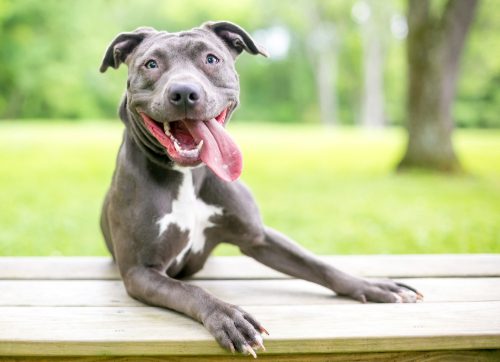
A smiling dog often stops people in their tracks. The mouth curves upward, the eyes soften, and the expression looks familiar. It feels like a shared moment of happiness. While dogs do not smile for the same reasons humans do, their facial expressions still carry meaning. Understanding what your dog’s face is telling you can strengthen communication, improve daily interactions, and help you recognize when your dog feels relaxed, unsure, or overwhelmed.
Dogs rely on subtle physical cues to communicate with people and other animals. Facial expressions work alongside posture, tail position, and movement to tell a story about emotional state. Learning how to read those signals helps pet owners respond appropriately and build trust over time.
Do Dogs Really Smile?
The idea of a smiling dog sparks curiosity and debate. Dogs do not smile in a human, emotional sense, but many dogs display relaxed facial expressions that closely resemble a grin. This often includes a slightly open mouth, relaxed lips, and gentle eye contact. In most cases, this expression reflects comfort rather than joy in the human sense.
Dogs evolved to communicate through body language, not facial muscles designed for smiling. Over time, dogs learned that relaxed faces and calm postures encouraged positive responses from people. When a dog looks like it is smiling, it usually means the dog feels safe and at ease in the current environment. This expression often appears during play, after exercise, or while spending quiet time with familiar people.
It is also important to recognize context. A smiling dog expression paired with loose posture and steady breathing signals contentment. The same open mouth paired with tension or avoidance can mean something very different. Observing the whole picture helps avoid misinterpretation.
The Difference Between a Smile and a Submissive Grin
Some dogs display a facial expression known as a submissive grin. This look can confuse pet owners because it often resembles a smile at first glance. A submissive grin usually includes pulled-back lips that expose the front teeth, a lowered head, and soft or squinting eyes. Unlike a relaxed smile, this expression communicates deference rather than comfort.
Dogs use submissive grins as a social signal. It tells another dog or a person that they mean no harm and wish to avoid conflict. This behavior often appears during greetings, especially if the dog feels unsure or overly excited. The body language usually includes lowered posture, tucked tail, or sideways movement.
Understanding this difference matters because reactions shape future behavior. Responding calmly and avoiding sudden movements can help a dog feel more confident during social interactions. Over time, recognizing these cues supports smoother communication and reduces misunderstandings.
Watch for these key signs that distinguish between each expression:
- Relaxed smile: loose lips, open mouth, neutral head position
- Submissive grin: pulled-back lips, visible front teeth, lowered head
- Overall posture: relaxed versus lowered or crouched
- Movement: calm stillness versus wiggling or avoidance
The Body Language of a Happy and Content Dog
Facial expressions never stand alone. A smiling dog expression means more when paired with relaxed body language. Content dogs move freely, shift weight easily, and show curiosity without tension. Their ears rest naturally rather than pinning back or standing rigid.
A happy dog often carries a loose tail that moves gently rather than stiffly. Breathing stays steady, and muscles appear soft instead of tight. These signs indicate emotional balance and comfort with surroundings. Many dogs show this combination of cues during familiar routines, such as walks in known areas or quiet time at home.
When owners learn to spot these signals, they can better recognize moments when their dog feels settled. This awareness supports positive reinforcement, strengthens bonds, and encourages predictable behavior patterns. Over time, understanding these cues can also help identify changes that may warrant professional attention.
Common signs of relaxed canine body language include:
- Soft eyes with natural blinking
- Neutral ear position based on breed
- Loose, fluid movement
- Calm mouth that opens and closes naturally
What Other Facial Expressions Say About Your Dog
Dogs express a wide range of emotions through subtle changes in their face. A closed mouth with tense lips may indicate uncertainty. Wide eyes showing more white often suggest stress or heightened alertness. Raised eyebrows can signal curiosity or concern, depending on context.
Yawning, lip licking, and turning the head away are frequently misunderstood. These behaviors often serve as calming signals rather than signs of tiredness or hunger. Dogs use them to manage stress and communicate discomfort without escalating situations. Recognizing these expressions allows owners to adjust the environment or interaction before tension builds.
Facial expressions also change with age, environment, and experience. Puppies may exaggerate signals as they learn social rules. Adult dogs refine expressions through repeated interactions. Paying attention to patterns helps pet owners respond with empathy and clarity.
Promoting Happiness and Good Health in Your Pet
Supporting emotional balance plays an important role in how dogs express themselves. A dog that feels secure is more likely to show relaxed facial expressions, including the familiar smiling dog look. Consistent routines, positive interactions, and appropriate social exposure all contribute to emotional stability.
Mental stimulation also influences facial expression and behavior. Dogs benefit from enrichment that challenges their mind without overwhelming them. Predictable schedules help reduce anxiety and support confidence. These factors work together to shape how a dog communicates daily.
Regular veterinary visits also support long-term wellbeing. Changes in facial expression, posture, or behavior can sometimes signal discomfort or stress. A veterinary team can help assess overall health and discuss factors that influence behavior, ensuring your dog stays comfortable and engaged.
Some everyday habits that support emotional balance include:
- Consistent daily routines
- Calm, predictable interactions
- Appropriate social opportunities
- Regular wellness exams
Our Vet’s Perspective on Canine Emotions
From a veterinary perspective, facial expressions provide valuable insight into a dog’s emotional state. While a smiling dog expression often reflects comfort, veterinarians evaluate behavior alongside physical condition and history. This broader view helps distinguish normal communication from signs that deserve closer attention.
Veterinary teams observe how dogs move, respond to handling, and interact during visits. These observations guide conversations with pet owners about behavior and wellbeing. Changes in expression or demeanor can sometimes coincide with shifts in routine, environment, or health.
Stevenson Ranch Veterinary Center works with pet owners to support both physical and emotional health through ongoing care. If you notice changes in your dog’s expressions or behavior, calling (661) 799-0655 or requesting an appointment online allows the team to provide guidance tailored to your dog’s needs.
Reading the Smile Behind the Snout
A smiling dog face captures attention, but its meaning goes deeper than appearance alone. Facial expressions, posture, and movement work together to communicate how a dog feels in the moment. Learning to read these cues strengthens trust and improves daily interactions.
By understanding the difference between relaxed smiles and social signals like submissive grins, pet owners gain clarity and confidence. Observing patterns over time helps identify what supports comfort and emotional balance. When questions arise, partnering with your veterinary team keeps communication clear and care proactive.
Check Your Pet's Records
Look no further, PetDesk allows you to view your Pet's Health information, appointment reminders, etc.
Let's Go Shopping
Need a refill on vitamins, food, etc for your pet? Check our our online store.
Book an Appointment
Looking for Veterinary Care? Stevenson Ranch is a place that you can your pet can depend on for exceptional care.