

Cat Skeleton: An Inside Look at Feline Anatomy
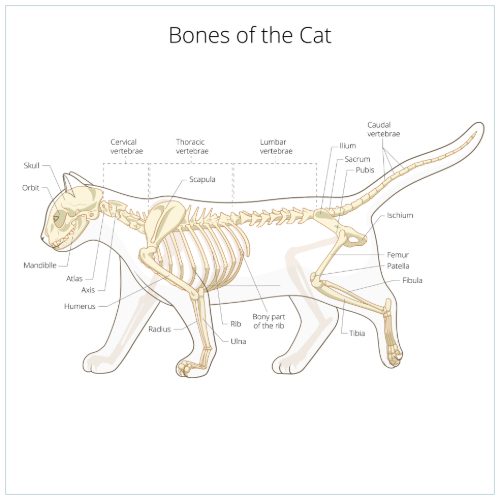
The cat skeleton is a finely tuned framework that gives cats their signature grace, flexibility, and athletic confidence. From a quiet stretch on the windowsill to a sudden leap across the room, every movement starts with a skeletal system designed for speed, balance, and precision. While it stays hidden beneath fur and muscle, the cat skeleton shapes posture, protects vital organs, and supports everyday motion. Understanding how this system works can help pet owners appreciate why cats move the way they do and why routine veterinary care matters throughout life. This inside look explores the structure and function of the cat skeleton and how veterinary teams support long-term bone and joint health.
Understanding Your Cat’s Amazing Skeletal System
The cat skeleton contains about 230 bones, which is more than the human skeleton and one reason cats show such impressive flexibility. These bones form a lightweight yet durable framework that supports movement while protecting the brain, heart, lungs, and other organs. The skull features large eye sockets that support keen vision, while the jaw structure allows for powerful biting and precise chewing. The spine includes a high number of vertebrae, especially in the tail, giving cats an exceptional range of motion. Each bone connects through joints, ligaments, and cartilage to allow smooth movement across different surfaces. Together, these components create a skeletal system built for agility rather than endurance.
A key feature of the cat skeleton is how bones vary in shape and purpose across the body. Flat bones protect organs, long bones enable movement, and small bones in the paws allow fine motor control. The rib cage stays narrow and flexible, helping cats squeeze through tight spaces with ease. Even the shoulder blades remain unattached to other bones, floating within muscle to extend stride length. This structural design supports quiet stalking, quick turns, and controlled landings. When viewed as a whole, the skeletal system explains many of the behaviors cat owners see every day.
How a Cat’s Skeleton Allows for Agility
Agility defines the feline experience, and the cat skeleton makes that possible through specialized joints and flexible bone alignment. The spine acts like a spring, compressing and extending as a cat runs or jumps. This motion allows for longer strides and faster acceleration in short bursts. Unlike many animals, cats can rotate their shoulders and hips independently, which supports sharp turns and midair adjustments. These features help explain how cats land on their feet and navigate narrow ledges with confidence.
Joint structure also plays a major role in agility. Cats have well-cushioned joints with smooth cartilage that reduces friction during movement. The hind legs provide powerful propulsion thanks to long femur and tibia bones, while the front legs absorb impact during landing. Paw bones are arranged to allow silent, controlled steps across varied terrain. When all these elements work together, the result is a body capable of quick reactions and precise motion. This level of agility depends on healthy bones and joints throughout a cat’s life.
The Secret Behind Their Balancing Act
Balance sets cats apart, and the cat skeleton supports this skill through a combination of spinal design and tail structure. The tail contains numerous vertebrae that act as a counterbalance during jumps and turns. By adjusting tail position, cats shift their center of gravity in midair or while walking along narrow surfaces. This skeletal feature works closely with muscles and the inner ear to maintain stability. The result is the calm confidence cats display even at great heights.
The Spine and Tail Working Together
The spine connects directly to the tail, allowing coordinated movement that supports balance. Vertebrae in this region stay flexible, enabling subtle adjustments during motion. This flexibility helps cats recover quickly if they slip or misjudge a landing. It also supports smooth transitions between standing, crouching, and jumping. While balance looks effortless, it relies on constant communication between bones, joints, and muscles. A healthy spine and tail remain central to this impressive ability.
Identifying Common Skeletal Problems in Cats
Even with a strong design, the cat skeleton can face challenges over time. Aging, genetics, and activity level all influence bone and joint health. Changes in movement, posture, or comfort may point to skeletal concerns that benefit from veterinary evaluation. Cats often hide discomfort, which makes subtle signs especially important to notice. Early attention supports comfort and mobility across life stages.
Common skeletal concerns veterinarians monitor include:
- Joint stiffness or reduced range of motion
- Changes in posture or gait
- Decreased willingness to jump or climb
These signs do not point to a specific diagnosis on their own, but they highlight the value of regular exams. Imaging and physical assessments help veterinary teams understand what is happening beneath the surface. With professional guidance, cats can maintain mobility and comfort for years to come.
The Role of Diet in Your Cat’s Bone Health
Nutrition supports every system in the body, including the cat skeleton. Bones rely on minerals and proteins to maintain strength and structure throughout growth and adulthood. During kittenhood, proper nutrition supports bone development and alignment. In adult cats, balanced diets help maintain bone density and joint support. As cats age, dietary needs may shift to support long-term skeletal health.
Key Nutrients That Support Bones
Several nutrients contribute to skeletal strength and stability:
- Calcium and phosphorus for bone structure
- Protein to support surrounding muscles
- Vitamins that aid mineral absorption
Veterinary teams consider life stage, size, and overall health when discussing nutrition. Consistent, balanced feeding supports the skeletal system as part of whole-body wellness. Nutrition works best alongside routine veterinary care that tracks changes over time.
How Your Vet Can Help with Joint and Bone Issues
Veterinary care plays an essential role in monitoring the cat skeleton from kittenhood through the senior years. Regular exams allow veterinarians to assess posture, movement, and joint flexibility. Diagnostic tools like imaging provide insight into bone alignment and joint health when concerns arise. These evaluations guide thoughtful care plans that support comfort and mobility.
At Stevenson Ranch Veterinary Center, the veterinary team focuses on preventive care and early detection. Routine visits create a baseline for each cat, making subtle changes easier to identify. If you notice shifts in how your cat moves or behaves, scheduling an exam helps address concerns promptly. Call (661) 799-0655 or request an appointment online to discuss your cat’s bone and joint health with a trusted veterinary team.
Bones Built for a Life of Movement
The cat skeleton reveals why cats move with such confidence, agility, and balance. From the flexible spine to the finely structured paws, every bone supports a life of motion and exploration. Understanding this anatomy offers insight into everyday behaviors while highlighting the importance of ongoing veterinary care. With routine exams, proper nutrition, and professional guidance, cats can stay active and comfortable through every life stage. For questions about feline anatomy or to schedule a visit, connect with the team at Stevenson Ranch Veterinary Center and support your cat’s movement from the inside out.
Check Your Pet's Records
Look no further, PetDesk allows you to view your Pet's Health information, appointment reminders, etc.
Let's Go Shopping
Need a refill on vitamins, food, etc for your pet? Check our our online store.
Book an Appointment
Looking for Veterinary Care? Stevenson Ranch is a place that you can your pet can depend on for exceptional care.