

Crazy Cat Behavior: Is It Normal? A Vet’s Guide
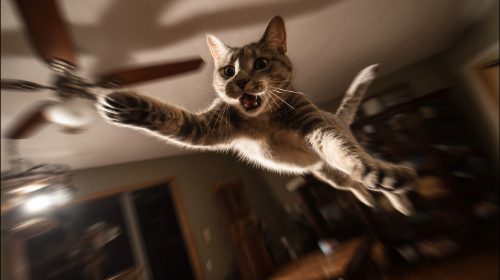
Anyone who lives with a cat has seen it happen. One moment, your pet lounges peacefully on the couch. The next, they sprint through the house, leap onto furniture, and dart around corners with wide eyes and boundless energy. This type of crazy cat behavior often catches pet owners off guard, especially when it appears sudden or intense. While these episodes can look alarming, they often reflect natural feline instincts rather than a cause for concern. Understanding why cats behave this way helps pet owners feel more confident and know when veterinary insight may be helpful.
Understanding Common “Crazy” Cat Behaviors
Many pet owners describe certain actions as crazy cat behavior because they seem unpredictable or exaggerated. Cats may chase invisible objects, pounce on shadows, vocalize loudly, or suddenly sprint across rooms. These behaviors often stem from a cat’s natural instincts as both hunter and prey animal. Even indoor cats retain strong drives to stalk, chase, and explore their environment, which can surface in surprising ways.
Cats also experience bursts of energy that look chaotic but serve a purpose. These behaviors help them release pent-up stimulation and maintain mental engagement. Younger cats and kittens show these traits more frequently, but adult and senior cats can display them as well. Environmental changes, such as a new pet or rearranged furniture, may also trigger unusual activity as cats reestablish familiarity and territory.
Some common behaviors pet owners label as wild include:
- Sudden running, jumping, or climbing
- Vocalizing at unusual times of day
- Swatting at unseen targets
- Rapid shifts from calm to active states
While these behaviors often fall within normal feline patterns, consistent observation helps pet owners recognize what feels typical for their own cat.
When Your Cat Gets the “Zoomies”
One of the most recognizable forms of crazy cat behavior is the zoomies. These high-energy episodes involve sudden, intense running, often paired with sharp turns, leaps, and playful attacks on imaginary prey. Zoomies frequently occur during dawn or dusk, aligning with a cat’s natural crepuscular activity cycle. In the wild, these hours support hunting, and domestic cats still follow that rhythm.
Zoomies allow cats to burn off stored energy, especially if they spend much of the day resting. Indoor cats experience them more often because their activity levels depend heavily on their environment. While the behavior looks frantic, it usually reflects a healthy outlet for energy rather than distress. Most zoomie episodes last only a few minutes and end as quickly as they begin.
What Zoomies Can Look Like at Home
During a zoomie session, cats may race from room to room, slide across floors, or bounce off furniture. Some cats chirp or meow while running, adding to the drama of the moment. Others may pause briefly before launching into another sprint. Although this behavior can feel chaotic, it often indicates a cat meeting its physical and mental needs through movement.
Why Your Cat Might Be Overly Energetic
Excess energy often drives recurring crazy cat behavior. Cats sleep many hours each day, but their waking moments require stimulation. When opportunities for play, exploration, or interaction feel limited, that energy builds. Eventually, it releases in bursts that may seem sudden or excessive.
Dietary changes, schedule shifts, and household routines can also influence energy levels. Cats thrive on predictability, and changes may temporarily heighten activity. Younger cats naturally have higher energy reserves, while indoor-only cats depend on environmental enrichment to stay engaged. Without enough stimulation, they may seek excitement through dramatic behavior.
Some common contributors to excess energy include:
- Limited interactive playtime
- Long periods of inactivity during the day
- Environmental changes or boredom
- Natural age-related energy patterns
Recognizing Medical Reasons for Wild Behavior
While most crazy cat behavior reflects normal feline instincts, some changes warrant closer attention. A sudden increase in activity, restlessness, or vocalization can occasionally signal an underlying health issue. Conditions affecting metabolism, neurological function, or discomfort levels may alter how a cat behaves. Behavioral changes often serve as one of the first signs that something feels different internally.
Pet owners should pay attention to patterns rather than isolated moments. Behavior that escalates quickly, persists without breaks, or appears alongside other changes such as appetite shifts or litter box issues deserves veterinary evaluation. Cats rarely show illness in obvious ways, making behavioral cues especially valuable.
Signs That May Suggest a Veterinary Visit Is Needed
Cats experiencing medical influences on behavior may also display subtle physical or routine changes. These can include disrupted sleep cycles, altered grooming habits, or sensitivity to touch. While energetic behavior alone does not confirm a medical issue, consistent deviations from a cat’s normal routine provide important information for veterinarians during an exam.
How to Create a Calming Environment at Home
A thoughtfully designed home environment helps reduce excess stimulation and supports balanced behavior. Cats benefit from spaces that allow both activity and rest, giving them control over how they engage with their surroundings. Vertical spaces, quiet resting areas, and predictable routines all contribute to emotional stability.
Consistency matters. Feeding schedules, play sessions, and daily interactions help cats anticipate what comes next. When cats feel secure in their environment, they often express energy in more manageable ways. Small adjustments can make a noticeable difference over time.
Helpful environmental elements include:
- Designated play times that align with natural activity cycles
- Quiet retreat spaces away from household noise
- Opportunities for climbing and observation
- Consistent daily routines
Working with a Vet to Address Behavioral Issues
When crazy cat behavior feels disruptive or concerning, working with a veterinarian offers clarity and reassurance. Veterinarians evaluate behavior within the context of a cat’s overall health, lifestyle, and environment. This collaborative approach helps distinguish between normal feline activity and changes that may benefit from further attention.
At Stevenson Ranch Veterinary Center, we partner with pet owners to understand behavior patterns and provide guidance tailored to each cat’s needs. Behavioral discussions often form part of routine wellness visits, allowing concerns to be addressed early. Open communication ensures that both physical and behavioral health receive proper attention.
If your cat’s behavior feels overwhelming or has changed suddenly, call (661) 799-0655 or request an appointment online. Professional insight can help you better understand your cat and feel confident in supporting their well-being.
From Wild Moments to Well-Balanced Cats: Understanding Feline Energy
Crazy cat behavior often looks dramatic, but it usually reflects healthy instincts and natural energy cycles. By understanding what drives these moments, pet owners can respond with confidence rather than concern. Observation, consistency, and partnership with a trusted veterinarian create the foundation for a calmer household and a happier cat. With the right support, even the wildest feline moments start to make a lot more sense.
Check Your Pet's Records
Look no further, PetDesk allows you to view your Pet's Health information, appointment reminders, etc.
Let's Go Shopping
Need a refill on vitamins, food, etc for your pet? Check our our online store.
Book an Appointment
Looking for Veterinary Care? Stevenson Ranch is a place that you can your pet can depend on for exceptional care.