

Cat Scratch Fever: Symptoms, Causes, and Prevention
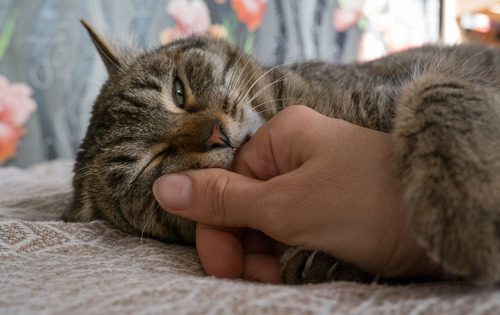
Cats might be small, but their scratches can carry big consequences. Cat scratch fever, also known as cat scratch disease (CSD), is an infection that people can get after being scratched or bitten by a cat. While it doesn’t pose a serious risk for most healthy individuals, it’s still important for pet owners to understand how the condition develops, what symptoms to watch for, and how to reduce the risk of transmission. In this blog, we’ll explain the signs of cat scratch fever, how it spreads, and how to protect yourself and your family, especially if your household includes children or individuals with weakened immune systems. If you have concerns about your cat’s health or your exposure to a scratch or bite, call Stevenson Ranch Veterinary Center in Santa Clarita at (661) 799-0655 or book an appointment online.
What Is Cat Scratch Fever?
Cat scratch fever is a bacterial infection caused by Bartonella henselae. This bacteria lives in the mouths and under the claws of some cats, often without causing symptoms in the cat itself. While not every scratch leads to infection, when bacteria are introduced through a scratch or bite, they can cause mild to moderate illness in people. Most cases of cat scratch fever resolve on their own, but complications can arise, particularly in young children or those with compromised immune systems. That’s why awareness is important for households with cats.
How Cats Get Infected
Cats typically contract Bartonella henselae through flea bites or flea dirt. When they groom themselves or scratch, the bacteria can spread to their claws and mouths. It’s more common in kittens and stray cats, especially those who have not received regular flea prevention.
Symptoms of Cat Scratch Fever in People
Symptoms of cat scratch fever usually appear 3 to 14 days after a scratch or bite. While some people may experience only mild effects, others can develop more serious symptoms.
Common Signs to Watch For
- Red bump or blister at the scratch site
- Swollen lymph nodes, particularly near the injury (often in the armpit, neck, or groin)
- Fatigue or general discomfort
- Low-grade fever
- Headache
- Poor appetite
These symptoms typically last a few days to a couple of weeks. In rare cases, cat scratch fever can lead to more severe complications, such as infections of the eyes, brain, or heart valves.
When to Seek Medical Attention
Although most cases are mild, consult a healthcare provider if you experience:
- Persistent or high fever
- Worsening lymph node swelling or pain
- Symptoms that last more than two weeks
- Any symptoms in individuals with weakened immune systems
Can Cats Show Symptoms of Cat Scratch Fever?
In most cases, cats infected with Bartonella henselae do not show any signs of illness. However, that doesn’t mean the infection should be ignored. The bacteria can still be transmitted to people and other animals, especially if the cat has fleas or frequently engages in rough play. Some cats may experience:
- Mild fever
- Swollen lymph nodes
- Lethargy
- Decreased appetite
If your cat seems unwell or shows these signs, it’s worth scheduling a visit with your veterinarian for a thorough evaluation.
How Cat Scratch Fever Spreads
The primary method of transmission is through a cat’s scratch or bite, but understanding how the bacteria makes its way into your home can help you reduce risk.
Key Modes of Transmission
- Scratches from an infected cat’s claws
- Bites that break the skin
- Exposure to cat saliva, especially near open wounds
- Flea exposure, as fleas spread Bartonella between cats
It’s important to note that the disease is not spread from person to person, only from cat to human.
Who Is Most at Risk for Cat Scratch Fever?
While anyone can get cat scratch fever, certain individuals are more vulnerable to complications.
Higher-Risk Groups Include:
- Young children, especially those under age 5
- Older adults
- People with weakened immune systems due to illness or medication
- Individuals undergoing chemotherapy or organ transplant recipients
Extra precautions are recommended for these individuals when handling cats, particularly kittens or strays.
How to Prevent Cat Scratch Fever
Preventing cat scratch fever starts with good hygiene and responsible pet ownership. While the risk is low for most people, taking a few extra steps can minimize the chance of infection:
- Keep cats on year-round flea prevention. Fleas are the primary source of Bartonella infection in cats.
- Avoid rough play, especially with kittens, who are more likely to scratch or bite.
- Wash hands after handling your cat, especially after play sessions.
- Clean scratches and bites immediately with soap and water.
- Discourage licking of open wounds, especially on children or immunocompromised individuals.
- Teach children how to interact gently with cats and avoid sudden grabbing or loud noises that may startle them. Supervise interactions between young children and cats to reduce the chance of bites or scratches.
What to Do if You Get Scratched or Bitten by a Cat
Even with the best precautions, scratches and bites can happen. Knowing what to do right after an incident can reduce the risk of infection.
Immediate Care Steps
- Clean the wound thoroughly with soap and warm water.
- Apply an antiseptic and cover the wound with a clean bandage.
- Monitor for signs of infection, including swelling, redness, or warmth around the area.
- Contact your physician if symptoms develop or if you’re in a high-risk group.
Most scratches heal without issue, but staying alert to changes helps ensure a quick recovery.
Why Kittens Are More Likely to Spread Cat Scratch Fever
While adult cats can carry Bartonella henselae, kittens are more likely to transmit the bacteria to humans. Their high energy levels, tendency to bite and scratch during play, and greater chance of flea exposure all contribute to increased risk.
Tips for Families With Kittens
- Prioritize flea control early.
- Handle kittens gently and teach appropriate boundaries.
- Avoid roughhousing or letting kittens play with hands or feet.
- Schedule a veterinary exam soon after bringing a kitten home.
Support for You and Your Cat in Santa Clarita
Cat scratch fever can sound intimidating, but with proper flea control, gentle handling, and quick wound care, you can reduce the risk significantly. At Stevenson Ranch Veterinary Center in Santa Clarita, we’re here to support you with preventive care that protects both you and your cat. If you’ve recently adopted a kitten or have questions about flea prevention and zoonotic diseases, give us a call at (661) 799-0655 or book an appointment online. We’re happy to help you keep your cat healthy and your family safe.
Check Your Pet's Records
Look no further, PetDesk allows you to view your Pet's Health information, appointment reminders, etc.
Let's Go Shopping
Need a refill on vitamins, food, etc for your pet? Check our our online store.
Book an Appointment
Looking for Veterinary Care? Stevenson Ranch is a place that you can your pet can depend on for exceptional care.