

Cat Meowing Excessively – Could It Mean Something More?
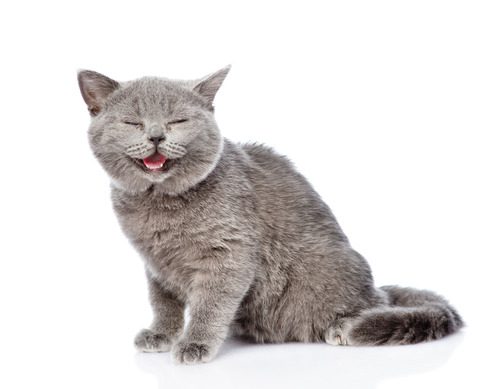
If your cat has been vocalizing more than usual, it’s natural to wonder why. Occasional meows are completely normal, but when the vocalizations become frequent, loud, or seem to occur without a clear reason, it may point to something deeper. Cats are expressive creatures, and their meows can carry a lot of meaning: from hunger cues to cries for help. When you notice your cat meowing excessively, it’s worth taking a closer look. This blog explores possible explanations for excessive meowing and what steps you can take to better understand your feline’s behavior. For personalized insight into your cat’s health and behavior, contact Stevenson Ranch Veterinary Center in Santa Clarita at (661) 799-0655 or book an appointment online.
What Is Considered Excessive Meowing?
Not all cats are equally vocal. Some breeds, like Siamese and Bengals, are naturally more talkative than others. However, there’s a difference between a chatty cat and one who seems distressed. Excessive meowing refers to vocal behavior that becomes frequent, persistent, or unusual for your pet. This can include meowing throughout the night, during meals, or in situations where they were previously quiet.
Patterns to Watch For
Cats may meow excessively during specific times or events. For example, if your cat consistently vocalizes at night or every time you leave the house, this could be a sign of anxiety or a need for attention. Pay attention to changes in your cat’s typical behavior. If a previously quiet cat suddenly starts meowing more often, that shift deserves a closer look.
Decoding the Meows: What Your Cat is Trying to Tell You
Cats use their voice to communicate, and there are several possible reasons they may start meowing more than usual. These reasons can range from simple behavioral needs to more serious medical conditions.
Hunger or Thirst
One of the most straightforward reasons for a vocal cat is a basic need. Cats who are hungry or have limited access to fresh water may meow persistently to alert you. This is especially common around mealtimes or if there’s been a change in their feeding routine. If your cat’s food bowl is empty, that meow might simply be a request for dinner.
Seeking Attention or Affection
Cats often meow to seek interaction. If your cat has been alone for a while or simply wants some affection, they may vocalize to prompt playtime or petting. This type of meowing is usually accompanied by other behaviors, like rubbing against your legs or following you around the house.
Stress or Anxiety
Environmental changes can trigger stress in cats, leading to vocalization. Moving to a new home, the arrival of a new pet, or a shift in routine can all cause anxiety. In these cases, meowing excessively may be your cat’s way of coping with or expressing their stress.
Medical Meows: “Something’s Not Right…”
When a cat begins to meow excessively without an obvious explanation, it’s important to consider the possibility of an underlying health issue. In many cases, a sudden change in vocal behavior is a sign that something isn’t right.
Hyperthyroidism
Hyperthyroidism is a common condition in older cats and often results in symptoms like weight loss, increased appetite, restlessness, and excessive meowing. The increased vocalization typically stems from the discomfort and increased energy levels the condition causes. If your cat is also acting hyperactive or losing weight, this condition could be a factor.
Cognitive Dysfunction in Senior Cats
Cats, like people, can experience cognitive decline as they age. Feline cognitive dysfunction (similar to dementia) can cause confusion, disorientation, and behavioral changes including excessive vocalization. These meows often occur at night and may be accompanied by pacing or aimless wandering.
Pain or Discomfort
If a cat is in pain, they may try to communicate their discomfort by meowing more than usual. Dental issues, urinary tract infections, and arthritis are just a few conditions that can cause pain-related vocalization. These meows are often different in tone, sounding more urgent or distressed.
Behavior-Related Causes You Shouldn’t Overlook
Not every cause of excessive meowing is medical. Many times, it stems from behavior patterns or environmental factors that can be addressed through observation and minor changes at home.
Boredom or Lack of Stimulation
Indoor cats especially can become bored if they don’t receive enough mental or physical stimulation. This can lead to vocalizations as a way to express frustration or to prompt engagement. Providing toys, window perches, and playtime can help meet your cat’s need for enrichment.
Mating Behavior in Unspayed or Unneutered Cats
Unaltered cats often meow excessively during mating season. Females in heat may yowl loudly and frequently, while males may vocalize in response to females nearby. Spaying or neutering your cat can reduce or eliminate this behavior.
Habitual Meowing Reinforced by Owners
Sometimes, excessive meowing is a learned behavior. If meowing has resulted in food, treats, or attention in the past, your cat may continue the behavior to get the same result. This doesn’t mean you’re doing anything wrong, it just means your cat has learned how to get your attention.
How to Respond to Excessive Meowing: Tips and Tricks
Knowing how to respond depends on the cause. If the behavior is new, intense, or accompanied by other symptoms, contact your veterinarian first to rule out medical problems. From there, behavioral adjustments can be made based on your cat’s unique needs.
- Keep a Log of the Behavior: Note when your cat meows, how long it lasts, and whether it coincides with meals, bedtime, or changes at home. This can help your vet identify patterns or determine if a health issue could be contributing.
- Avoid Reinforcing Unwanted Meowing: If your cat meows for attention and you immediately respond, you may be encouraging the behavior. Instead, wait until your cat is quiet before engaging or offering treats. This teaches them that calm behavior earns your attention.
- Use Environmental Enrichment: Keep your cat mentally and physically stimulated with interactive toys, puzzle feeders, and access to vertical spaces. The more engaged your cat is during the day, the less likely they are to meow out of boredom.
When Should You Contact Your Veterinarian?
Excessive vocalization isn’t something to ignore, especially if it’s sudden or paired with physical or behavioral changes. Your veterinarian can help determine whether the behavior is medical, behavioral, or a combination of both. At Stevenson Ranch Veterinary Center, we understand how concerning this behavior can be for pet owners. If your cat is meowing excessively and you’re unsure of the cause, give us a call at (661) 799-0655 or book an appointment online. We’ll work with you to find answers and support your cat’s well-being.
Check Your Pet's Records
Look no further, PetDesk allows you to view your Pet's Health information, appointment reminders, etc.
Let's Go Shopping
Need a refill on vitamins, food, etc for your pet? Check our our online store.
Book an Appointment
Looking for Veterinary Care? Stevenson Ranch is a place that you can your pet can depend on for exceptional care.